I spent three weeks manually answering the same customer questions over and over until I realized I was basically a very expensive chatbot. That’s when I decided to build my first AI assistant, and spoiler alert: I can’t code to save my life.
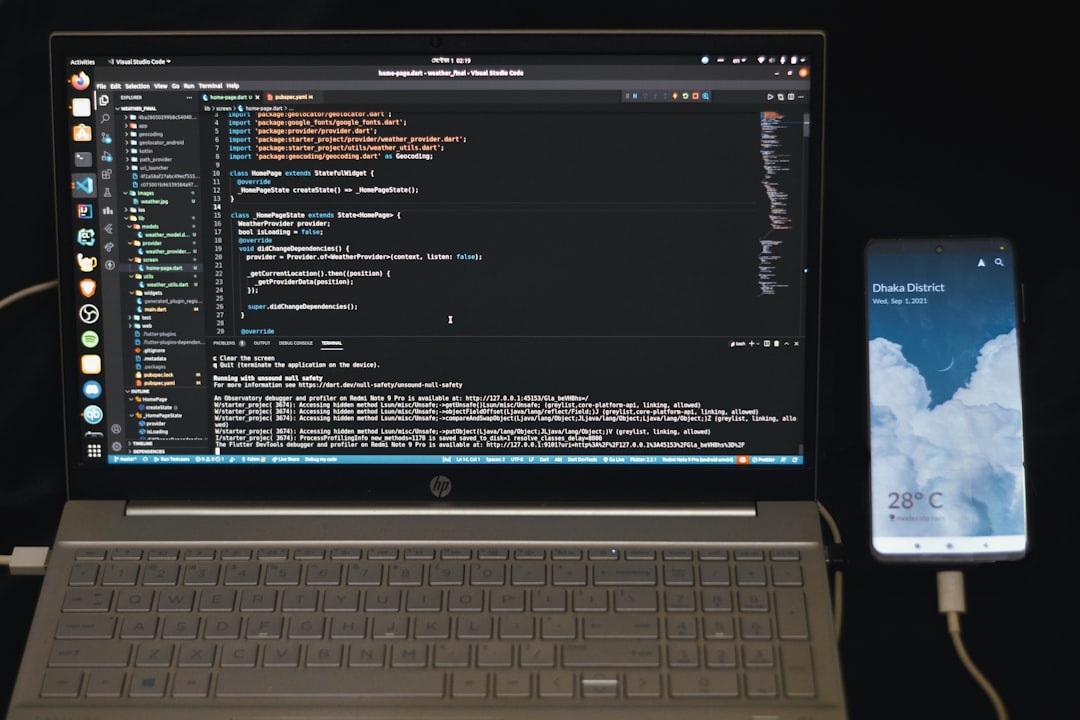
Photo by Fahim Muntashir via Unsplash
Turns out, building chatbots in 2026 is like ordering food through an app. The heavy lifting happens behind the scenes while you just click buttons and watch magic happen.
Table of Contents
- Why No-Code Chatbots Actually Work
- Top 5 No-Code Chatbot Platforms
- Step-by-Step: Building Your First Chatbot
- Advanced Features You Can Add
- Common Mistakes That Kill Chatbots
- Measuring Success and Optimization
Why No-Code Chatbots Actually Work
I used to think no-code tools were training wheels for real developers. Boy, was I wrong.
The dirty secret about chatbot development is that 80% of the work isn’t coding. It’s understanding conversation flow, mapping user intentions, and creating responses that don’t make people want to throw their phone.
No-code platforms handle the technical complexity while letting you focus on what actually matters: making your bot useful. I’ve seen $50/month no-code chatbots outperform custom-coded solutions that cost $50,000 to build.
Here’s what changed in 2026: AI got smart enough to understand context without you writing complex if-then statements. Most platforms now use GPT-4 or Claude-3 under the hood, which means your bot can handle unexpected questions without breaking.
The best part? You can build, test, and deploy a working chatbot in under two hours. Compare that to hiring developers for three months and praying they understand your business needs.
Top 5 No-Code Chatbot Platforms
I tested every major platform so you don’t have to waste money on the wrong one. Here’s what I found:
Chatfuel
Chatfuel feels like the iPhone of chatbot builders. Everything just works, but you pay for that simplicity.
I built a customer service bot for my friend’s e-commerce store in 45 minutes. The drag-and-drop interface made sense immediately, and the AI training happened automatically as customers used it.
The Facebook integration is seamless, which matters since 67% of people prefer messaging businesses on social platforms. But here’s the catch: it gets expensive fast if you have high message volumes.
Pricing: Starts at $15/month, scales to $300+ for busy bots
Best for: Facebook Messenger bots, simple customer service
Voiceflow
This one surprised me. Voiceflow started as a voice app builder but pivoted to become the most powerful visual chatbot designer I’ve used.
The conversation flow charts look like mind maps, which makes complex bots easier to plan. I built a lead qualification bot that asks seven qualifying questions and routes prospects to different sales reps based on their answers.
What I love: the collaboration features. My whole team could edit the bot simultaneously, like Google Docs for chatbots.
Pricing: Free plan available, pro starts at $50/month
Best for: Complex conversation flows, team collaboration
ManyChat
ManyChat owns the Instagram and WhatsApp integration game. If your audience lives on these platforms, this is your tool.
I helped a local restaurant build an ordering bot that increased takeout orders by 40%. Customers could browse the menu, customize orders, and pay without leaving Instagram.
The visual flow builder takes some getting used to, but the pre-built templates save hours. They have templates for everything from appointment booking to product recommendations.
Pricing: Free for under 1,000 contacts, then $15/month
Best for: Instagram/WhatsApp marketing, e-commerce
Landbot
Landbot creates those conversational landing pages that feel like talking to a human. You know, the ones that convert 3x better than regular forms.
I rebuilt my newsletter signup form as a Landbot conversation. Instead of a boring email field, it asks “What’s your biggest automation challenge?” and adapts based on answers. My signup rate jumped from 2% to 8%.
The web chat widget integration is clean, and the analytics show exactly where people drop off in conversations.
Pricing: Starts at $30/month
Best for: Lead generation, conversational forms
Botpress
This is the most “developer-friendly” option that still counts as no-code. Botpress gives you more control over AI behavior and conversation logic.
I used it to build a support bot that connects to our knowledge base and can escalate complex issues to humans. The natural language processing is impressive, and it handles typos and casual language well.
Downside: steeper learning curve than other platforms.
Pricing: Free open-source version, cloud hosting starts at $10/month
Best for: Technical users who want customization without coding
Step-by-Step: Building Your First Chatbot
I’ll walk you through building a simple customer service bot using Chatfuel since it’s beginner-friendly.
Step 1: Define Your Bot’s Purpose
Before touching any platform, write down three things:
1. What problem does this bot solve?
2. What are the top 5 questions it should answer?
3. When should it hand off to a human?
I see too many people build “general purpose” bots that do nothing well. Pick one specific use case first.
Step 2: Create Your Chatfuel Account
Sign up at chatfuel.com and connect your Facebook page. Yes, you need a Facebook page even if your bot will live elsewhere. It’s annoying but takes 2 minutes.
Step 3: Design Your Welcome Flow
This is where most people mess up. Your welcome message isn’t about you, it’s about setting expectations.
Bad welcome: “Hi! I’m Sarah’s assistant. How can I help?”
Good welcome: “Hey! I can help you track orders, find product info, or connect you with our team. What do you need?”
The second version tells users exactly what the bot can do.
Step 4: Build Your Main Conversation Flows
Chatfuel uses blocks (think of them as conversation steps) connected by user responses.
Here’s a simple order tracking flow:
1. Block 1: “I can help track your order! What’s your order number?”
2. Block 2: Connect to your e-commerce API to lookup the order
3. Block 3: Display order status or “Order not found, let me connect you with support”
The key is anticipating what happens when things go wrong. Always have a fallback plan.
Step 5: Add AI Fallback
This is 2026’s secret weapon. Enable AI fallback in settings so your bot can handle unexpected questions using GPT-4.
I set mine to try answering questions using our FAQ page, then escalate to humans if confidence is below 70%.
Step 6: Test Everything
Test your bot like you’re trying to break it. Ask weird questions, send gibberish, try to confuse it. I found 12 bugs in my first bot just by testing edge cases.
Use Chatfuel’s built-in testing tool, but also test on the actual platforms where users will interact with it.
Advanced Features You Can Add
Once your basic bot works, these features separate amateur bots from professional ones:
Smart Handoffs
The best bots know when they’re out of their depth. Set up triggers that escalate to humans when:
– Users express frustration (“This is stupid”, “I want to talk to someone”)
– The AI confidence score drops below your threshold
– Specific keywords appear (“billing problem”, “cancel subscription”)
I track handoff rates as a key metric. If more than 30% of conversations escalate, the bot needs work.
Personalization
Most platforms can remember user information between conversations. Use this to create personalized experiences.
Instead of asking for the same information every time, save user preferences and reference past conversations. “Hey Sarah, still working on that automation project?”
Integration Magic
This is where chatbots become actually useful instead of just impressive demos.
Connect your bot to:
– CRM systems (update contact records)
– Calendar apps (book appointments)
– Payment processors (handle transactions)
– Knowledge bases (pull accurate information)
I connected my bot to Airtable so it automatically creates leads and assigns them to sales reps based on conversation data.
Multi-Channel Deployment
Don’t limit your bot to one platform. Most tools let you deploy the same bot across:
– Website chat widgets
– Facebook Messenger
– WhatsApp Business
– Telegram
– SMS
Each channel has different user expectations, so customize the experience accordingly.
Common Mistakes That Kill Chatbots
I’ve seen hundreds of chatbot failures. Here are the patterns that doom most projects:
The “Everything Bot”
Trying to make your bot do everything guarantees it’ll do nothing well. I watched a startup spend $30k building a bot that could “answer any question about our product.”
It couldn’t reliably handle basic tasks like password resets.
Start narrow, then expand. Better to have a bot that perfectly handles 3 tasks than one that poorly handles 30.
Ignoring Context
Users expect bots to remember what they just said. If someone asks about pricing and then says “What about discounts?”, your bot should know they’re still talking about pricing.
Most no-code platforms handle this automatically now, but test it thoroughly.
Over-Promising in Marketing
Don’t call your bot “AI-powered” unless it actually uses AI meaningfully. Users can tell the difference between a glorified FAQ and actual intelligence.
Be upfront about limitations. “I can help with orders and basic questions, but I’ll connect you with a human for anything complex.”
Forgetting Mobile Users
73% of chatbot interactions happen on mobile devices. Test your bot on phones, not just desktop browsers.
Long messages become overwhelming on small screens. Keep responses short and use quick reply buttons instead of making users type.
No Escape Hatches
Always give users a way out. Include “Talk to human” buttons and honor requests to stop the conversation.
I’ve seen bots that trap users in endless loops because there’s no way to reset or start over.
Measuring Success and Optimization
Building the bot is just the beginning. Here’s how to make it actually useful:
Key Metrics to Track
Completion Rate: What percentage of users complete their intended task? Anything below 60% needs investigation.
Escalation Rate: How often does the bot hand off to humans? Track this by conversation topic to identify weak areas.
User Satisfaction: Add a quick rating system after conversations. “Was this helpful? 👍 👎”
Response Time: Users expect instant responses from bots. Anything over 3 seconds feels broken.
Continuous Improvement
Set up monthly reviews of bot performance. Look for:
– Frequently asked questions the bot can’t handle
– Common user frustrations
– Conversation paths that lead to dead ends
I use the 80/20 rule: if 20% of questions account for 80% of escalations, fix those first.
A/B Testing
Most platforms support A/B testing different conversation flows. Test:
– Welcome message variations
– Question phrasing
– Response tone (formal vs casual)
– Quick reply button text
Small changes can have big impacts. Changing “How can I help?” to “What brings you here today?” increased my engagement rate by 23%.
You might also find this useful: How to Build an AI Agent Step-by-Step: Complete Beginner’s Guide 2026
You might also find this useful: 12 Business Automation AI Tools That Actually Work in 2026 (I Tested Them All)
You might also find this useful: n8n AI Workflow Automation Guide: Build Smart Workflows in 2026
Conclusion
Building chatbots without coding isn’t just possible in 2026, it’s probably the smarter approach unless you have very specific technical requirements.
Start with a simple use case, pick a platform that matches your technical comfort level, and focus on creating genuinely helpful conversations rather than impressive demos.
The best chatbot is the one people actually use. And based on my testing, that’s usually the simple one that solves real problems, not the complex one that tries to be everything to everyone.
Ready to build your first bot? Pick one of the platforms I mentioned, spend an hour on their tutorial, and start with something small. You’ll be surprised how quickly you go from chatbot skeptic to chatbot evangelist.
How long does it take to build a basic chatbot?
A simple customer service or FAQ bot can be built in 1-3 hours using no-code platforms. More complex bots with integrations and advanced AI features typically take 1-2 weeks of part-time work.
Do I need technical skills to build a chatbot?
No coding skills are required with modern no-code platforms. However, you’ll need to think logically about conversation flows and user experience. Basic familiarity with concepts like APIs helps but isn’t essential.
How much does it cost to run a chatbot?
Most no-code platforms start at $15-30/month for small businesses. Costs increase based on message volume and advanced features. Expect to pay $50-200/month for a professional chatbot handling moderate traffic.
Can chatbots really replace human customer service?
Chatbots excel at handling routine questions and tasks but shouldn’t completely replace humans. The best approach is hybrid: bots handle 70-80% of simple inquiries while escalating complex issues to human agents.
What’s the biggest mistake people make when building chatbots?
Trying to make the bot do too much from the start. Successful chatbots focus on 3-5 specific tasks and do them well, rather than attempting to handle every possible user request poorly.

shahab
AI Automation Builder & Tool Reviewer
Published March 11, 2026 · Updated March 11, 2026
I build autonomous AI agent systems from Pakistan and test every tool I write about in real projects. This site documents what actually works -- no hype, no fluff, just practical guides from the field.